3D SVG Flower Design for Modern Content Publishing
As a seasoned blog designer and digital publisher, I always look for graphic design assets that elevate the visual appeal of content while maintaining editorial clarity. The 3D Rose SVG Template Design is one such asset that caught my attention with its layered paper-cut aesthetic and clean file formats. It’s not just another floral design—it’s a versatile tool that can enhance everything from website headers to Pinterest pins.
A First Look at 3D Rose SVG: Editorial Mood and Niche Fit
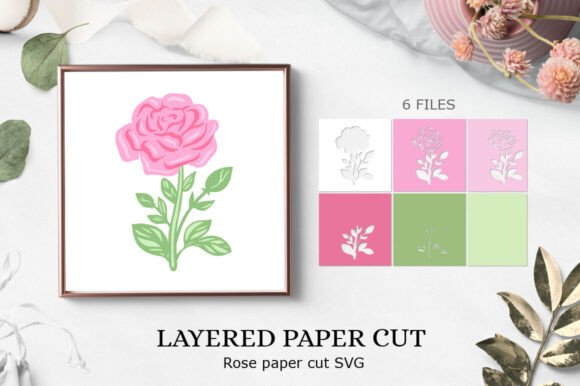
The moment I opened the 3D Rose SVG Template Design, I could sense it was crafted for an audience that values beauty, creativity, and emotional resonance. The roses are rendered in a stylized 3D paper-cut format, which gives them a tactile, almost handcrafted feel. This creates a warm and inviting mood—perfect for lifestyle blogs, wellness content, fashion brands, or any niche where aesthetics play a strong role in reader engagement.
What stands out immediately is the balance between detail and simplicity. The design doesn’t overwhelm the eye but adds a layer of sophistication. It feels feminine and artistic, yet modern enough to complement clean web layouts. This makes it ideal for content niches like home décor, personal development, flower arranging guides, or seasonal posts around Valentine's Day, Mother’s Day, or springtime themes.
Real-World Applications in Content Publishing
One of the strengths of this 3D SVG flower design is its adaptability across various publishing platforms. Here’s how I’ve seen similar assets perform well in real workflows:
- Blog Featured Images: Adding the 3D rose as a subtle background element helps draw attention to headlines without overshadowing the message. It works especially well when paired with soft pastel colors or minimal text overlays.
- Pinterest Graphics: With its rich layers and vibrant colors, the 3D Rose SVG can serve as a focal point in vertical images. It supports better click-through potential by making pins visually appealing and on-brand.
- Newsletter Headers: Used as a decorative accent, it adds personality to your brand identity without being too loud. For example, a wellness newsletter might use it subtly behind a headline to suggest elegance and care.
- Category Thumbnails: When used in thumbnails for blog categories or product pages, the design reinforces brand recognition and makes sections more attractive.
- Lead Magnets and Digital Guides: Whether you’re designing a printable gratitude journal or a digital guide on self-care, the 3D Rose SVG offers a refined touch that signals quality and thoughtfulness.
- Social Media Previews: On Instagram or Facebook, these roses add an artistic flair that aligns with creative and lifestyle-oriented content marketing strategies.
- Canva Templates: As a blogger who often uses Canva for quick graphics, I found the SVG easily editable and scalable within the platform. You can place it behind or beside your text depending on the visual hierarchy needed.
Visual Hierarchy and Brand Consistency
In editorial design, the right visual elements help readers scan content quickly and understand what they're about to read. The 3D Rose SVG Template Design does this exceptionally well. Its structured layers allow for clear foreground/background placement, which is crucial when building blog headers or social media cards.
I tested it in several scenarios:
- Behind bold sans-serif headlines for high contrast and readability
- Beneath script fonts for a romantic or elegant tone
- Alongside handwritten notes in downloadable printables
- Integrated into minimalist website banners
Where This Design Shines: High-Impact Visual Zones
Here are some key areas where the 3D Rose SVG template design really shines:
- Hero Images: Use it to frame headlines or create a soft gradient effect that draws users into your page.
- Article Thumbnails: A small, centered rose can make your blog post stand out among others, especially if your site uses a lot of flat design.
- Pinterest Pin Bases: The intricate details and 3D depth work beautifully in vertical compositions, helping your pins rank higher due to their visual richness.
- Editorial Accents: Add a single rose as a separator in long-form articles or digital guides to break up text and guide the reader’s eye.
- Content Upgrades: Pair it with worksheets or lead magnets for a polished, professional look that encourages downloads.
- Digital Product Covers: Whether it’s an eBook, planner, or affiliate marketing resource, the design enhances the perceived value of your offering.
- Media Kits: Include it in your brand collateral to maintain a cohesive and attractive visual language.
Where to Use It with Caution
While the 3D Rose SVG is incredibly flexible, it’s not a universal fit. There are certain contexts where it may need careful application:
- Small Mobile Thumbnails: The intricate details can become lost or pixelated when scaled down, so simplify or reduce opacity in those cases.
- Text-Heavy Blog Graphics: Too many flowers might distract from the message. Keep it subtle or limit the number of elements used.
- Low-Contrast Backgrounds: Test it against different color schemes to ensure it remains visible and doesn’t blend in accidentally.
- BUSY LAYOUTS: In content pages with multiple icons or illustrations, using this asset too prominently could create visual clutter.
- Serious Professional Niches: While it works great for lifestyle and creative spaces, it may not be suitable for corporate websites or formal educational materials unless styled very minimally.
If your brand leans toward a very minimal visual system, consider using only parts of the design—like one or two petals—to keep the look modern and uncluttered.
Publisher Tips for Optimizing the 3D Rose SVG
To get the most out of this design asset, here are some practical steps I recommend:
- Test on Desktop and Mobile: Make sure the design scales well and maintains visual impact across all screen sizes.
- Preview in a Real Blog Layout: See how it looks in context—beside body copy, under headers, or next to navigation menus.
- Check Thumbnail Performance: Resize the image to see how it holds up in smaller dimensions. Sometimes, less is more.
- Try Black and White Variants: Even though it comes in a colorful version, converting it to grayscale can help test its effectiveness in monochrome environments.
- Experiment with Fonts: Try placing it beside serif, sans serif, script, display, and handwritten fonts to find the best match for your brand voice.
- Optimize File Sizes: If using in web design, compress PNG and JPG versions to improve loading times and user experience.
- Confirm Commercial Licensing: Since this is likely sourced from a creative marketplace, double-check the licensing before using it in monetized contexts like affiliate marketing, paid newsletters, or digital products.
Final Thoughts on Using 3D Rose SVG in Content Projects
The 3D Rose SVG Template Design is a standout graphic design asset that brings both beauty and functionality to content publishing. It naturally fits into floral-themed editorial design, adding warmth and elegance to otherwise plain visuals. Whether you're crafting a new blog header, preparing social media graphics, or enhancing a digital download, this 3D SVG flower has the potential to boost your brand identity and reader trust.
With six cut files and multiple formats included, it’s easy to repurpose this design for various uses. From blog graphics to Canva templates, it provides flexibility without sacrificing quality. Just remember to use it thoughtfully—especially in environments where simplicity is key. When done right, it can significantly improve the click-through potential of your content and give your website a more polished, cohesive look.
For bloggers and digital marketers looking to level up their visual storytelling, the 3D Rose SVG is worth considering. It’s not just a pretty picture—it’s a strategic design choice that supports modern, engaging, and trustworthy content publishing workflows.