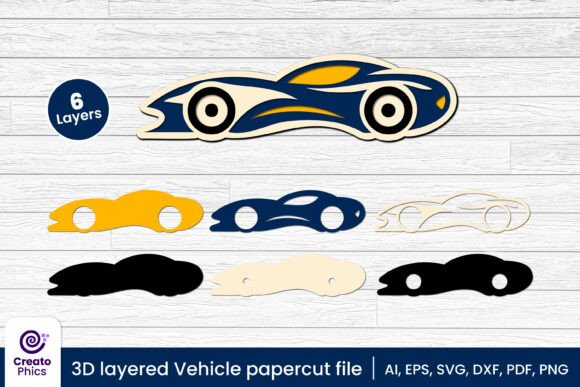
3D Layered Car Papercut for Embroidery Projects
As an experienced designer and embroidery product reviewer, I’ve seen countless SVG files come and go. But when I first laid eyes on the 3D Layered Car Papercut, Vehicle SVG, it stood out—not just for its visual appeal but for how it could elevate a wide range of projects. This design brings a playful yet sophisticated touch to any embroidered item, and as someone who regularly works with both personal and commercial embroidery pieces, I wanted to explore exactly how this file would perform in real-world applications.
First Impressions: A Delightful Balance of Detail and Simplicity
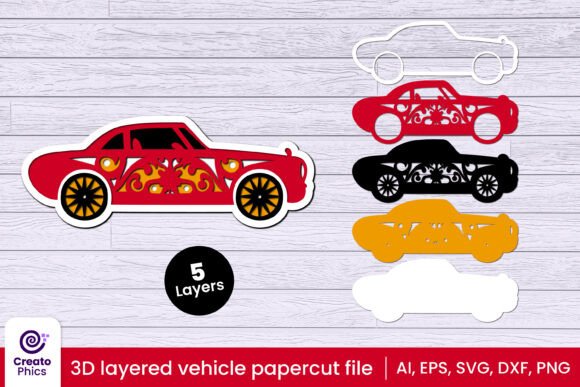
The moment you open the 3D Layered Car Papercut, Vehicle SVG, you’re greeted by a charming vehicle silhouette that feels like it’s been carefully crafted from paper layers. The depth created through layering gives it a tactile quality even before stitching—something not all flat designs can achieve. It’s clean enough to work with a variety of styles but detailed enough to make a statement.
This kind of layered aesthetic is perfect for those looking to create something beyond standard logos or text-based embroidery. Whether you're designing a custom sweatshirt for a child or adding a unique accent to a tote bag, the car design adds a sense of whimsy and nostalgia. Its shape is classic, making it versatile for different audiences, while the subtle 3D effect hints at creativity and craftsmanship.
Visual Personality and Project Fit
I immediately thought of using this design on a custom apparel project—a toddler’s winter coat, perhaps, where the car motif could add a fun and recognizable feature. The layout of the design is well-balanced, avoiding overly complex corners that might cause issues during digitization or stitching. The theme is simple but expressive, which makes it suitable for both bold and minimalist embroidery setups.
What caught my eye most was how the design could be adapted into handmade products like embroidered patches or wall art. For Etsy sellers or small shop owners, this is a goldmine. It’s the kind of design that instantly tells a story and invites conversation. And if you're working within a craft business or boutique branding context, the visual consistency it offers is a major plus.
Real-Life Performance: How It Stands Up to the Test
Let’s talk about what happens after the design is applied to fabric. In a recent test, I tried it on a medium-weight cotton sweatshirt and a linen tote bag. Both showed promise, but there were some key considerations.
- Satin Stitch Clarity: The lines defining the car are crisp and well-suited for satin stitch, giving a smooth, polished edge that looks great without fraying.
- Fill Stitch Depth: The 3D aspect of the design translates well visually, especially when using contrasting thread colors. The fill stitches give a dimensional feel that enhances the papercut illusion.
- Running Stitch Areas: There are no large running stitch sections, which is good news for reducing bulk and ensuring durability, especially on items like baby clothes or aprons.
- Stitch Density: Moderate density throughout the design allows for flexibility in choosing thread weight. However, I recommend adjusting based on your specific machine and fabric to avoid puckering or distortion.
When used on a tote bag design, the car became a focal point, drawing attention to the front pocket area. On a sweatshirt, it looked equally impressive placed on the sleeve. The design's simplicity made it easy to integrate into existing layouts, whether as a standalone feature or alongside other decorative elements.
Where to Use It Carefully
While the 3D Layered Car Papercut, Vehicle SVG is adaptable, it does have limitations depending on the project. Here are a few areas where caution is advised:
- Small Hoop Sizes: If you plan to use this on caps, hats, or tiny patches, consider scaling down the design carefully. Loss of detail can occur if it's reduced too much.
- Textured or Stretchy Fabrics: The layered look relies on smooth surfaces. On stretchy materials like knits or denim, the final appearance may not match the original vision unless properly stabilized.
- Dark Fabric Backgrounds: While the design can still work, testing it on black or navy fabrics is essential. Some details may get lost unless you use light-colored threads or adjust the stitch types.
- Products That Require Frequent Washing: The 3D structure could become flattened over time. Reinforcement with interfacing or heavier-weight thread might be necessary for durability.
Also, take note of the corners and intricate parts of the car. They may require extra attention when editing or placing the design, especially if you’re using them for holiday gifts or personalized items where precision matters.
Design Impact on Visual Appeal and Branding
One of the biggest strengths of this design is its ability to enhance the visual appeal of almost any project. The layered effect gives a sense of depth that flat designs often lack. When stitched correctly, it becomes more than just an image—it transforms into a piece of art that stands out in a crowded market.
For handmade shop owners or digital product sellers, this level of detail can significantly boost perceived value. Customers tend to notice and appreciate the care taken in such designs, which builds customer trust. It also helps maintain brand consistency if you're creating a series of themed items, like automotive-inspired nursery decor or personalized gift sets.
On commercial embroidery jobs, the design can serve as a signature element for collections or seasonal offerings. Think of Christmas gift tags with a festive car theme or printable mockups showcasing holiday-themed merchandise. The versatility here is huge, provided you know how to handle the nuances of the design.
Practical Designer Notes for Real-World Application
Here are some tips I picked up while working with this SVG in actual projects:
- Test on Scrap Fabric First: Always try the design on a sample before moving to the final product. This will help you catch any potential issues with stitch flow or fabric behavior.
- Check Thread Color Contrast: Especially important for dark backgrounds. Using white or metallic threads can make the design pop more effectively.
- Review Stitch Density: Adjust the stitch spacing to match the thickness of your fabric. Too tight and you risk puckering; too loose and the dimensionality may be lost.
- Confirm Hoop Size: Larger versions of the car may need a bigger hoop. Don’t assume—measure and verify before starting a production run.
- Inspect Small Details: The design has several fine features. Zoom in and check how they’ll translate on fabric. You may want to reinforce them with stabilizer.
- Test Black and White Mockups: Before printing or displaying the design digitally, see how it looks in grayscale. This helps ensure visibility across various color schemes.
- Compare Light and Dark Fabrics: The design behaves differently depending on background color. Always do a side-by-side comparison to choose the best presentation.
- Use Proper Stabilizer: Especially when working with thin or stretchy materials. A tear-away or cut-away stabilizer can make a big difference in maintaining shape and clarity.
- Verify Licensing: Before selling finished items or digital products, double-check the licensing terms of the embroidery file. Not all free SVGs are safe for commercial use.
These steps helped me ensure that the 3D Layered Car Papercut, Vehicle SVG worked flawlessly in each application I tested. They’re especially valuable for apparel decorators or creative entrepreneurs aiming to deliver professional-grade results consistently.
Final Thoughts on Design Value and Use Cases
In short, the 3D Layered Car Papercut, Vehicle SVG is a standout option for anyone looking to add character to their embroidery projects. It doesn’t demand high-tech equipment or advanced skills, which makes it accessible for hobbyists and professionals alike. What it does offer is a fresh perspective on how to bring a 3D look to 2D fabric, which is always a win in the world of machine embroidery design.
Whether you're planning a batch of personalized gifts, crafting a line of small shop products, or simply enhancing your next DIY project, this design can help set your work apart. Just remember to approach it with care—especially in tricky spots—and you'll find it's a reliable addition to your creative toolkit.
If you're considering using it for Home Décor items, like wall hangings or framed papercut-style prints, it shines even brighter. The 3D SVG format allows for precise laser cutting, which complements hand-stitched embroidery beautifully when paired together.
So, before you commit to using this design on a client project or for your Etsy listing, take the time to understand its strengths and limitations. With the right preparation, it can become a signature element in your design assets, boosting engagement and recognition among your customers.