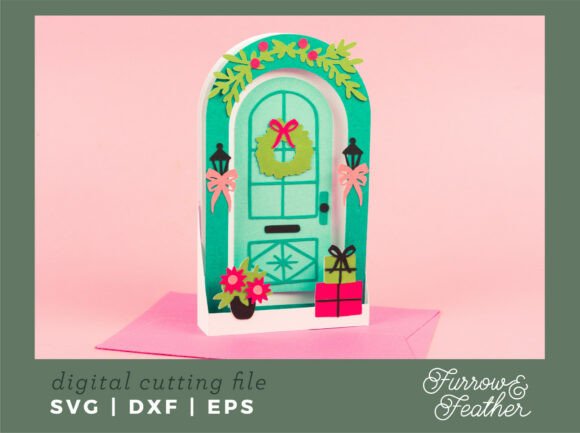
3D SVG Christmas Door Card Design for Local Business Branding
A Festive and Welcoming Graphic Design Asset for Seasonal Marketing
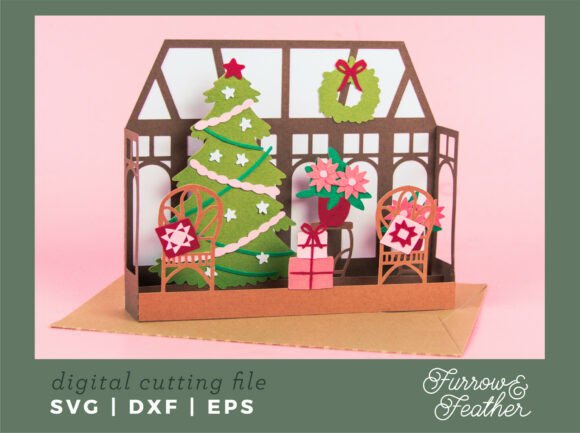
As a brand designer working with small businesses, I recently came across the Christmas Door Card - 3D SVG design asset. At first glance, it struck me as a versatile and charming addition to any holiday branding toolkit. The illustration features a classic yet stylized Christmas door adorned with a wreath, gifts on the side, and subtle festive accents that give it a warm, inviting feel.Brand Personality and Visual Tone
The Christmas Door Card - 3D SVG feels friendly, approachable, and slightly whimsical. It doesn’t scream luxury or high-end minimalism, but rather suggests a heartwarming, family-oriented vibe. This makes it especially suitable for brands that want to emphasize warmth, nostalgia, and personal connection during the holidays.Real-World Applications for Small Businesses
Product Labels: Imagine a handmade soap label featuring the Christmas Door Card as a background element. The wreath and gifts subtly suggest a gift-worthy product, while the 3D style adds dimension and interest. For food products, this could work well on holiday-specific jars or boxes.
Packaging Design: As part of a seasonal packaging suite, the door card can act as a hero graphic. A candle brand, for instance, might use it as the central image on their gift box lid, making it instantly recognizable as a holiday item. The SVG format allows for easy resizing and customization, so it adapts well whether printed on large boxes or small tags.
Social Media Graphics: During the holiday season, consistency in visuals is essential. Using the Christmas Door Card as a recurring motif across posts—whether in banners, carousel ads, or story templates—can help build a cohesive theme. Its 3D quality shines on digital platforms where animation or interactive effects are possible, adding a touch of professionalism and festivity.
Hang Tags and Thank-You Cards: This design works beautifully as a thank-you card or hang tag for boutique stores. Pair it with a handwritten font and some brand messaging, and you’ve got a memorable customer touchpoint. The assets’ festive nature also makes it ideal for loyalty cards or promotional inserts.
Supporting Better Brand Presentation
- Stronger First Impression: The door card creates an immediate emotional response—warmth, joy, and anticipation. These are powerful feelings to associate with your brand.
- Better Product Recognition: Repeating the same design across multiple touchpoints (labels, packaging, social media) helps customers quickly identify your products among competitors.
- Clearer Visual Hierarchy: When used as an accent, the door card helps guide the viewer’s eye toward key information such as pricing or product names.
- More Consistent Brand Identity: Incorporating this asset consistently across all materials builds a unified look that reinforces your brand personality year after year.
- Improved Customer Trust: Professionally designed visuals signal credibility. The clean lines and thoughtful details of this 3D SVG suggest a brand that cares about aesthetics and quality.
- Better Shelf Appeal: In retail environments, especially for handmade or artisanal goods, a festive and polished design can make your product pop and attract impulse buyers.
- Stronger Emotional Connection: The holiday-themed door card taps into shared cultural experiences, helping customers feel connected to your brand on a personal level.
- Polished Marketing Visuals: Whether you’re using Canva templates or custom editorial designs, this SVG elevates the look of your marketing materials, giving them a professional edge.
Where This Design Shines
I've found that the Christmas Door Card - 3D SVG performs exceptionally well in these areas:- Hero Graphics: On website banners or Instagram stories, it acts as a focal point that draws attention and sets the tone for the content below.
- Seasonal Packaging Accents: Placed at the corner of a gift bag or wrapping paper, it enhances the festive appeal without dominating the space.
- Decorative Brand Elements: Use it as a repeating pattern or border element in printables or web headers to maintain a consistent holiday theme.
- Promotional Banners: Especially useful for flash sales or limited-time offers, the design brings a cheerful, celebratory energy that aligns with holiday promotions.
- Product Mockups: In mockup presentations for clients or e-commerce listings, the 3D aspect of the SVG gives a realistic feel that helps visualize the final product.
- Printable Inserts: Perfect for including in holiday mailers or catalogs, it can frame text or highlight special offers with a decorative flair.
- Boutique Store Visuals: From window clings to in-store signage, this design fits right into the cozy, curated atmosphere many local boutiques aim to create.
Where to Use with Caution
- Formal Corporate Branding: If your brand leans corporate or minimalist, this design may clash unless used very sparingly as a seasonal accent.
- Very Small Labels: The detail in the SVG might get lost if used on tiny stickers or product tags. Always test at scale before finalizing.
- Crowded Product Packaging: Too much going on? Avoid layering this over complex patterns or busy illustrations. Let it breathe and serve one purpose clearly.
- Ingredient-Heavy Layouts: For products like skincare items or gourmet foods with long ingredient lists, this design could distract from the necessary information.
- Legal Information Areas: Never use it over fine print or disclaimers—it should never compromise readability or compliance.
- Low-Contrast Backgrounds: Test it against various colors to ensure legibility. Some versions may require a white or light background to show up best.
- Luxury Minimalist Brands: Unless you're doing a very limited holiday collection, the ornate nature of the design might not fit a sleek, high-end aesthetic.
- Text-Heavy Designs: If your layout includes a lot of body copy, this SVG should only be used as a supporting element—not the main focus.
Designer Notes for Practical Use
- Test It on Real Packaging Mockups: Before finalizing, see how it looks in context. Will it work on a coffee cup sleeve? A gift box insert?
- Check Black and White Usage: Ensure the design still communicates its intent even in grayscale, for those who may print in black and white or have accessibility needs.
- Preview on Small Labels: Zoom in and out to confirm scalability. SVG files usually handle scaling well, but intricate details may need simplification for smaller sizes.
- Test It with Your Brand Colors: Import it into your current branding palette to see if it harmonizes or clashes. Adjust stroke colors or fill tones accordingly.
- Compare with Competitor Packaging: See how it stacks up visually. Is it unique enough to stand out, or will it blend in with what others are using?
- Check Print Quality: Request a sample print if you're planning physical use. High-quality SVGs should render crisp and clean, even at large sizes.
- Review PNG Transparency: If you’ll be using it on clear backgrounds, make sure the exported PNG maintains transparency correctly.
- Inspect SVG or Vector Editability: Open the file in Adobe Illustrator or similar software to verify that layers are editable and scalable.
- Test Beside Different Fonts: Try it with a serif font for a classic feel, a sans serif for modernity, or a script/handwritten typeface for a personal touch. Find the best pairing for your brand voice.
- Confirm Commercial Licensing: If you plan to use this design for client work, product sales, or branding projects, double-check the commercial license terms. Many free clipart-style assets come with restrictions that could affect your usage rights.